
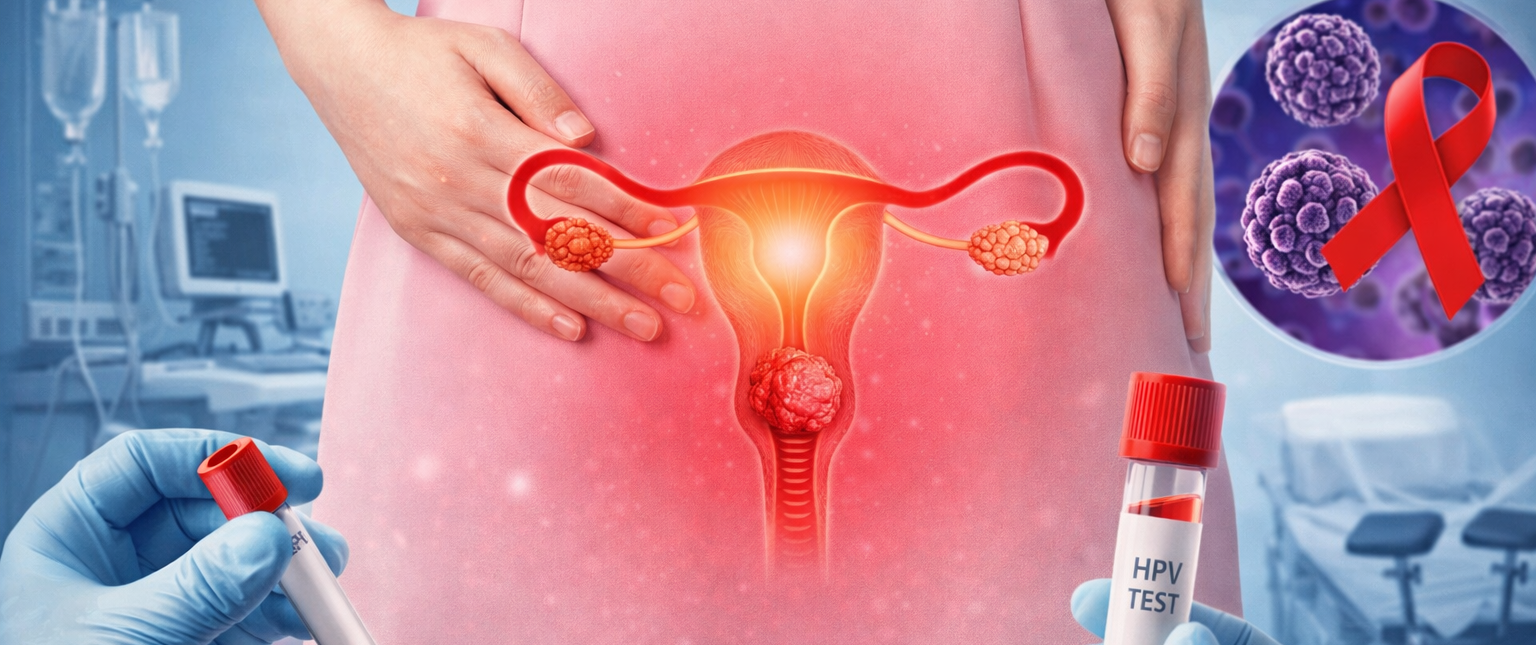
Vaginal Cancer – Early Diagnosis and Advanced Treatment
Vaginal cancer is a rare cancer that develops in the tissues of the vagina, the canal that connects the cervix to the outside of the body. Because it is uncommon, many women are not aware of its symptoms. However, when detected early, treatment outcomes are much better.
At Sanjeevini Hospital, we focus on early identification, accurate staging, and individualized treatment plans to ensure safe and effective care for every patient.
What is Vaginal Cancer?
Vaginal cancer begins when cells in the lining of the vagina grow abnormally and multiply without control. Over time, these abnormal cells can form a tumor and may spread to nearby tissues if not treated.
The most common type is squamous cell carcinoma, which develops from the surface lining cells. Another rare type is adenocarcinoma, which develops from glandular cells.
It is more commonly seen in:
Women above 50 years
Women with long-standing HPV infection
Women with previous cervical cancer
Smokers
Women with weakened immunity
Although rare, understanding risk factors helps in early suspicion and timely medical consultation.
Symptoms to Watch For
Early vaginal cancer may not cause obvious symptoms. That is why regular gynecological checkups are important, especially for postmenopausal women.
Common warning signs include:
Bleeding after menopause
Bleeding after sexual intercourse
Unusual or foul-smelling vaginal discharge
Persistent pelvic pain
A lump, thickening, or growth inside the vagina
Pain while passing urine or during intercourse
If any of these symptoms persist for more than two weeks, medical evaluation is necessary. Ignoring abnormal bleeding can delay diagnosis.
How Vaginal Cancer is Diagnosed
Diagnosis begins with a detailed medical history and pelvic examination. If any abnormal area is noticed, further tests are recommended.
Investigations may include:
Pap smear to detect abnormal cells
Colposcopy to closely examine suspicious areas
Biopsy to confirm cancer diagnosis
CT scan or MRI to determine spread of the disease
Staging helps identify whether the cancer is limited to the vagina or has spread to nearby organs. Proper staging is very important before starting treatment.
Treatment Options
Treatment depends on the stage, tumor size, patient’s age, and overall health condition.
Radiation Therapy
Radiation therapy is commonly used and may be the main treatment in many cases. It can be given externally or internally (brachytherapy). Radiation is effective in controlling localized tumors.
Surgery
In early-stage cases, surgery may be performed to remove the tumor. In advanced cases, more extensive surgery may be required depending on the spread.
Chemotherapy
Chemotherapy may be combined with radiation in advanced stages to improve treatment effectiveness. It helps control cancer cells and reduce the risk of recurrence.
Every treatment plan is customized to ensure the best possible results with safety.
Recovery, Follow-Up and Prevention
After treatment, regular follow-up visits are essential to monitor recovery and detect recurrence early. Most recurrences, if detected early, can be managed effectively.
Women are advised to:
Attend scheduled follow-up appointments
Maintain personal hygiene
Avoid smoking
Take HPV vaccination if recommended
Report any abnormal bleeding immediately
At Sanjeevini Hospital, we provide continuous medical care, emotional support, and clear guidance throughout the treatment journey.
Book Your Appointment
Fill the details and connect with us instantly on WhatsApp.