
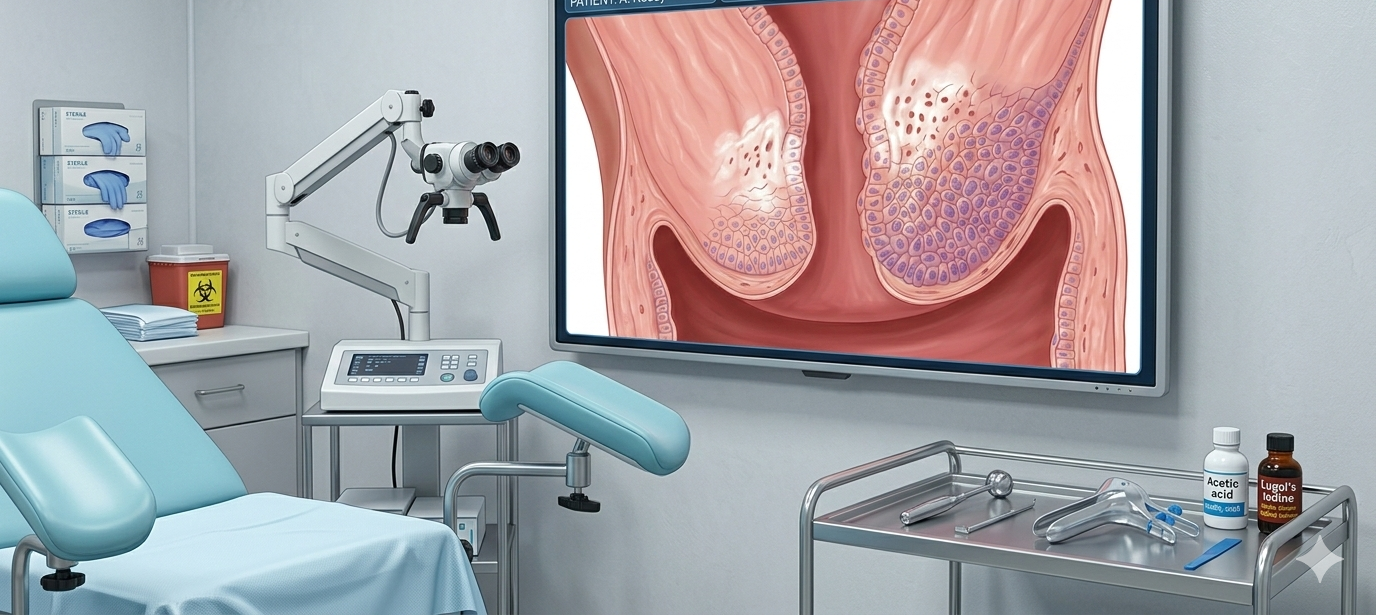
Precancerous Cervical Lesions – Early Detection & Effective Treatment
Precancerous cervical lesions are abnormal changes in the cells of the cervix (the lower part of the uterus). These changes are not cancer, but if left untreated for a long time, they may gradually develop into cervical cancer.
The good news is — when detected early, these conditions can be treated completely and safely.
At our hospital, we focus on early diagnosis, patient-friendly counseling, advanced treatment options, and careful follow-up care to ensure long-term protection of women’s health.
What Are Precancerous Cervical Lesions?
Precancerous cervical lesions refer to abnormal cell growth on the surface of the cervix. Medically, this condition is called Cervical Intraepithelial Neoplasia (CIN).
It is classified into three stages:
CIN 1 (Mild dysplasia): Minor cell changes. In many cases, it may return to normal on its own.
CIN 2 (Moderate dysplasia): Abnormal cells are more noticeable and require treatment.
CIN 3 (Severe dysplasia): Significant abnormal changes. Immediate treatment is important to prevent progression to cancer.
These changes usually develop slowly over several years, which gives enough time for early detection and treatment through regular screening.
What Causes Precancerous Cervical Lesions?
The most common cause is persistent infection with Human Papillomavirus (HPV), especially high-risk types.
Other contributing risk factors include:
Early onset of sexual activity
Multiple sexual partners
Multiple pregnancies
Smoking
Weak immune system
Long-term use of oral contraceptive pills (in some cases)
Poor genital hygiene
Irregular Pap smear screening
HPV infection is very common, but only persistent high-risk infection may lead to cervical cell changes.
Symptoms
In most cases, there are no symptoms in early stages. That is why regular screening is extremely important.
When symptoms do appear, they may include:
Abnormal vaginal discharge
Bleeding between periods
Bleeding after intercourse
Heavier or prolonged menstrual bleeding
Mild lower abdominal or pelvic discomfort
Any abnormal bleeding should never be ignored and requires medical evaluation.
How Is It Diagnosed?
At our hospital, we use advanced diagnostic methods to ensure accurate evaluation:
Pap Smear Test: Detects abnormal cervical cells.
HPV Testing: Identifies high-risk HPV infection.
Colposcopy: A detailed examination of the cervix using a magnifying instrument.
Cervical Biopsy: A small tissue sample is taken for laboratory confirmation.
Early and accurate diagnosis allows us to provide the most appropriate treatment without delay.
Treatment Options
Treatment depends on the stage of the lesion, patient’s age, overall health, and future pregnancy plans.
For CIN 1:
Observation with regular follow-up
Repeat Pap smear or HPV testing every 6 months
Lifestyle modifications to improve immunity
For CIN 2 & CIN 3:
Active treatment is recommended to remove abnormal cells.
Common procedures include:
LEEP (Loop Electrosurgical Excision Procedure): Removes abnormal tissue using a thin wire loop.
Cryotherapy: Freezes and destroys abnormal cells.
Laser Ablation: Uses focused laser energy to remove abnormal tissue.
Cone Biopsy (Conization): Removes a cone-shaped section of abnormal tissue from the cervix.
Most of these are minimally invasive, safe, and performed as day-care procedures. Hospital stay is usually not required.
After Treatment Care
Proper follow-up is essential to prevent recurrence.
Regular Pap smear and HPV testing
Avoid intercourse for a few weeks as advised
Maintain good genital hygiene
Stop smoking
Follow all medical instructions carefully
With correct follow-up, the risk of progression to cervical cancer can be significantly reduced.
Can Precancerous Lesions Be Prevented?
Yes, prevention is possible and highly effective.
Preventive Measures:
Regular Pap smear screening (starting from age 21 or as advised)
HPV Vaccination (recommended for young girls and women)
Safe sexual practices
Good personal hygiene
Healthy diet and immune support
Avoid smoking
HPV vaccination greatly reduces the risk of high-risk HPV infection and future cervical abnormalities.
Why Choose Our Hospital?
Experienced gynecologists with specialized expertise
Advanced diagnostic and treatment facilities
Minimally invasive, safe procedures
Clear explanation and patient counseling
Strict privacy and compassionate care
Dedicated follow-up support
We believe in early detection, timely treatment, and long-term prevention. Your health and safety are our top priorities.
If you have not undergone cervical screening recently, this is the right time to schedule a consultation. Early action today can prevent serious problems tomorrow.
For appointments and detailed consultation, please contact our hospital. Your well-being matters.
Book Your Appointment
Fill the details and connect with us instantly on WhatsApp.