
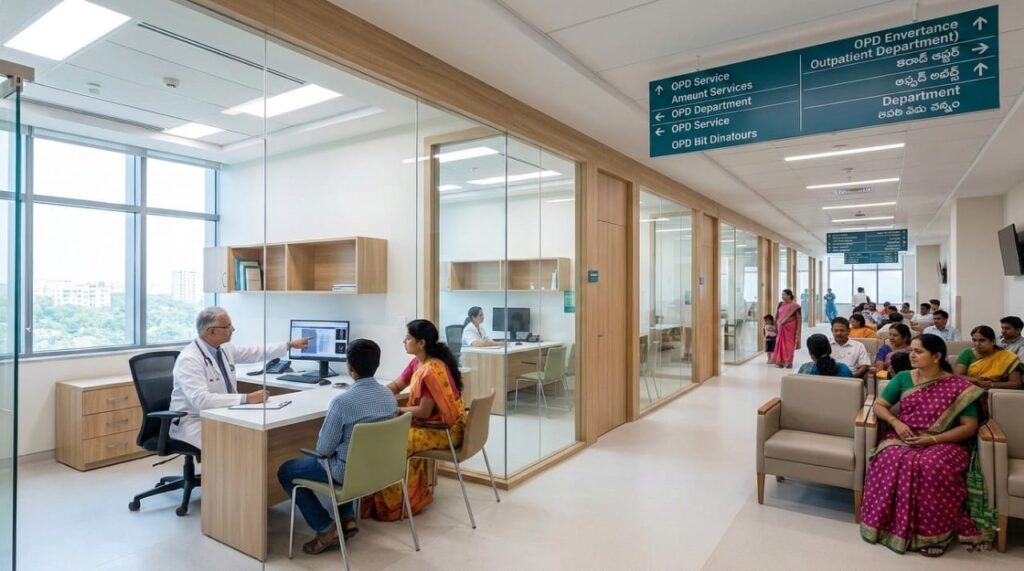
Health is our greatest wealth, yet many of us tend to ignore it until problems become serious. This is where regular OPD (Outpatient Department) checkups become crucial.
For those who may not know, OPD means Outpatient Department. In an OPD, a patient visits the hospital due to health issues, consults a doctor, and receives treatment without the need for hospital admission. OPD treatments cover a wide range of services such as diagnostic tests, X-rays, doctor consultations, routine checkups, vaccinations, minor surgeries, and dental treatments. Regularly visiting the OPD ensures that your health is continuously monitored, and minor problems are addressed before they become serious.
Let’s explore the five major benefits of regular OPD checkups.
1. Early Detection of Health Problems
One of the greatest advantages of OPD visits is the early detection of health issues. Many conditions like high blood pressure, diabetes, thyroid disorders, or high cholesterol often begin without noticeable symptoms. Detecting them early through routine OPD checkups can prevent serious complications.
For example, slightly high blood pressure might go unnoticed for months. During a regular OPD visit, a doctor can detect it early, prescribe minor medications or lifestyle changes, and prevent risks like heart disease or stroke. OPD checkups allow patients to catch problems before they become emergencies, making health management easier and more effective.
2. Effective Disease Management
If you already have a medical condition, OPD visits are key to managing it effectively. Doctors review your progress, monitor test results, and provide guidance for medications, diet, and exercises.
For instance, a diabetic patient can manage sugar levels better with regular OPD visits. Minor adjustments in medication or lifestyle, guided by the doctor, can prevent complications such as kidney or nerve problems. Similarly, OPD consultations help in managing minor surgeries, dental treatments, vaccinations, and preventive care, ensuring that patients stay healthy without unnecessary hospital stays.
3. Personalized Health Guidance
Every individual’s health is unique, and what works for one person may not work for another. Regular OPD visits provide personalized advice based on age, weight, lifestyle, and medical history.
For example, a sedentary office worker may be advised to walk daily, practice simple exercises, maintain proper hydration, and follow a healthy diet. A child visiting the OPD for vaccinations may also receive guidance on nutrition and preventive care. This ensures that every patient receives a customized health plan rather than generic recommendations.
4. Peace of Mind and Stress Reduction
Worrying about unseen health issues can create anxiety. Regular OPD checkups provide clarity about your health, which helps in reducing stress and mental tension.
For example, a 40-year-old patient may be anxious about cholesterol or sugar levels. A simple OPD consultation can provide results and advice, giving confidence and peace of mind. Knowing your health status allows you to focus on work, family, and daily life without constant worry.
5. Long-Term Cost Savings
Regular OPD checkups are also cost-effective in the long run. Minor health issues detected early often require minimal treatment, which is much cheaper than addressing serious complications later.
For instance, catching high cholesterol or minor dental problems early can prevent costly hospitalizations or surgeries. OPD treatments, including diagnostic tests, routine checkups, vaccinations, minor surgeries, and dental care, help patients maintain health while saving both money and effort over time.
Final Thoughts
Regular OPD checkups provide early detection, effective disease management, personalized guidance, peace of mind, and long-term savings. By making OPD visits a part of your routine, you protect yourself and your family from serious health problems.
Remember, a small effort today—booking a routine OPD visit—can lead to a healthier and happier tomorrow. Don’t wait for symptoms to appear; prevention is always better than cure.
Comments: