
Gestational Trophoblastic Disease Treatment
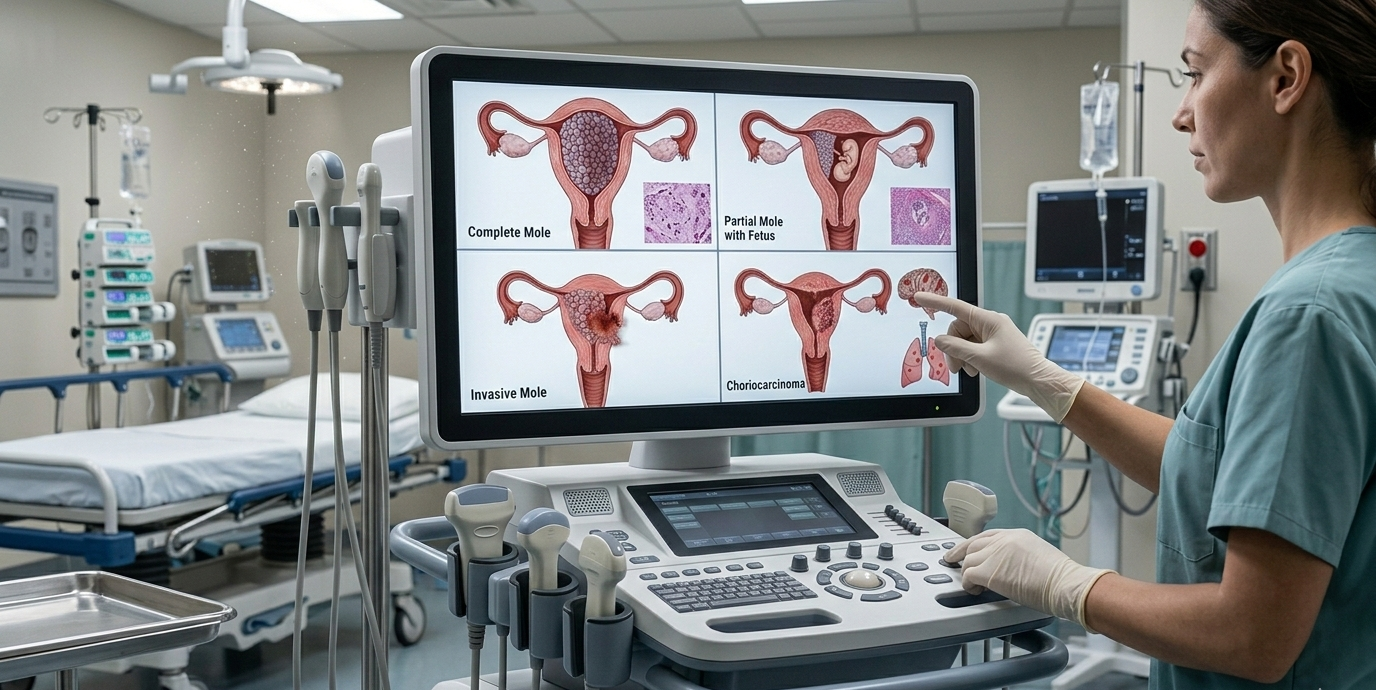
Gestational Trophoblastic Disease (GTD) is a group of uncommon conditions that arise from abnormal growth of cells that normally form the placenta during pregnancy. While hearing this diagnosis can be overwhelming, it is important to know that GTD is one of the most treatable gynecological conditions when managed properly and followed up carefully.
At Sanjeevini Hospital, we focus on early detection, accurate staging, and structured follow-up care to ensure complete recovery and protection of future fertility whenever possible.
Understanding the Condition
GTD develops when placental tissue grows in an uncontrolled way after conception. It includes:
Complete molar pregnancy
Partial molar pregnancy
Persistent trophoblastic neoplasia
Choriocarcinoma
Some forms remain confined to the uterus, while others may spread to nearby organs or, rarely, distant sites. Proper evaluation helps us understand the exact type and stage.
Signs That Should Not Be Ignored
Women may experience:
Irregular or heavy vaginal bleeding after a positive pregnancy test
Severe nausea beyond typical morning sickness
Pelvic discomfort or pressure
Passage of grape-like tissue
Elevated pregnancy hormone (hCG) levels higher than expected
Any unusual symptom during early pregnancy should be medically evaluated.
Evaluation and Diagnosis
To confirm GTD and assess its extent, we may recommend:
Detailed pelvic examination
Ultrasound imaging
Serial blood tests to monitor hCG levels
Chest X-ray or other imaging if needed
hCG monitoring is central to both diagnosis and long-term follow-up.
Treatment Approach
Treatment is planned based on the specific diagnosis, hormone levels, and risk category.
Uterine Procedure
In cases of molar pregnancy, removal of abnormal tissue from the uterus is the first and most important step. This procedure is performed under controlled and safe conditions. Most patients recover quickly and can return home the same day or shortly after.
Medical Management (Chemotherapy)
If hormone levels do not decrease as expected or if there is evidence of spread, medication-based treatment is started. GTD responds exceptionally well to chemotherapy.
Low-risk disease is treated with single-drug therapy.
Higher-risk disease may require combination medications.
Cure rates are very high, even in advanced stages, when treatment is completed as advised.
Surgical Management
In selected cases, especially when childbearing is complete or when bleeding is severe, surgical removal of the uterus may be considered. This option is discussed thoroughly with the patient before any decision is made.
Importance of Follow-Up
After treatment, strict follow-up is essential. Blood tests are done at regular intervals to ensure hormone levels return to normal and stay stable. This monitoring period helps confirm complete recovery.
During follow-up:
Temporary avoidance of pregnancy is advised
Regular reviews are scheduled
Emotional counseling is available
With proper care, most women go on to have healthy pregnancies in the future.
Our Commitment to Care
At Sanjeevini Hospital, we combine clinical expertise with supportive care. We understand that GTD is not just a medical condition but also an emotional experience for patients and families.
Our approach includes:
Accurate diagnosis and staging
Evidence-based treatment protocols
Continuous monitoring
Fertility-preserving options whenever possible
Compassionate guidance at every step
If you have concerns about abnormal pregnancy symptoms or have been diagnosed with Gestational Trophoblastic Disease, early consultation and proper follow-up can ensure complete recovery and long-term well-being.
Book Your Appointment
Fill the details and connect with us instantly on WhatsApp.